Introduction
During the global spread of the COVID-19 pandemic, many healthcare professionals played crucial roles in protecting public health. Alongside doctors, nurses, and frontline healthcare workers, PCR Laboratory Professionals During COVID-19 made significant contributions to disease detection, infection control, and public health safety.
Medical Laboratory Scientists, Technologists, and Technicians working in PCR laboratories worked tirelessly around the clock to identify infected individuals through diagnostic testing. Without their dedication and expertise, controlling COVID-19, planning treatments, and managing infection outbreaks would have been far more difficult.
Main Roles of Laboratory Professionals in PCR Labs
During the COVID-19 pandemic, the primary responsibility of Laboratory Professionals working in PCR laboratories was the detection of the SARS-CoV-2 virus. They utilized Reverse Transcription Polymerase Chain Reaction (RT-PCR) technology to identify the virus from nasopharyngeal and oropharyngeal swab samples collected from patients.
1. Sample Collection and Processing
Samples collected for PCR testing were safely preserved in transport media and sent to laboratories. Laboratory professionals processed these samples while strictly following biosafety protocols to ensure safety and accuracy.
2. RNA Extraction
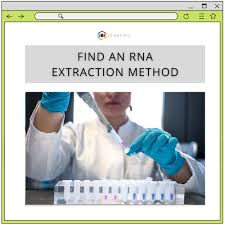
RNA extraction was one of the most critical steps in COVID-19 testing. Laboratory personnel used specialized extraction kits and instruments to isolate the viral genetic material from the collected samples.
3. RT-PCR Testing
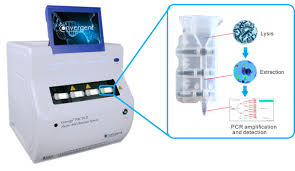
The extracted RNA was analyzed using PCR machines. This process enabled the detection of the virus’s genetic material, confirming whether an individual was infected with COVID-19.
4. Quality Control and Accurate Reporting
Laboratory professionals performed rigorous quality control checks using positive, negative, and control samples to ensure reliable test results. Even a minor error could significantly impact patient treatment and infection control measures.
Challenges Faced by PCR Laboratory Professionals During COVID-19
Working in PCR laboratories during the pandemic was far from easy. Laboratory professionals encountered numerous challenges while fulfilling their responsibilities.
1. Risk of Infection
Since laboratory staff handled samples from COVID-19 patients, they were at a high risk of exposure. To protect themselves, they relied on Personal Protective Equipment (PPE), masks, gloves, and biosafety cabinets.
2. Long Working Hours
Many laboratories received thousands of samples daily. To provide timely results, laboratory professionals often worked extended shifts under intense pressure.
3. Mental Stress
The constant fear of infection, concern for family members, and the burden of continuous workloads created significant psychological stress. Despite these challenges, they remained committed to their duties.
Why Were PCR Laboratory Professionals So Important?
Laboratory diagnosis played a vital role in controlling the COVID-19 pandemic.
Accurate PCR test reports helped to:
- Identify infected individuals quickly.
- Improve isolation and contact tracing efforts.
- Assist physicians in making informed treatment decisions.
- Reduce the spread of infection within communities.
PCR laboratory professionals were the unsung heroes of the healthcare system, working behind the scenes to protect public health.
Development of PCR Laboratories in Nepal
The COVID-19 pandemic significantly increased the demand for molecular diagnostic laboratories in Nepal. Both government and private laboratories established PCR testing facilities to meet the growing need for accurate and timely diagnosis.
This expansion created new opportunities in the field of Medical Laboratory Science and highlighted the importance of expertise in Molecular Biology, Molecular Diagnostics, and Biosafety practices.
Conclusion
The contribution of PCR Lab Laboratory Professionals During COVID-19 was indispensable in the global fight against the pandemic. Through their dedication, technical expertise, and commitment to accurate diagnosis, they played a critical role in protecting communities and supporting healthcare systems. Their efforts remain a remarkable example of professionalism and service during one of the most challenging public health crises in modern history.