Introduction
Tuberculosis (TB) is one of the world’s oldest deadliest infectious diseases both preventable and curable. Every year, millions of people develop tuberculosis and may lose their lives due to delayed diagnosis or inadequate treatment. Early detection, proper medication and public awareness are critical to controlling the spread of this disease.
What is Tuberculosis (TB) ?
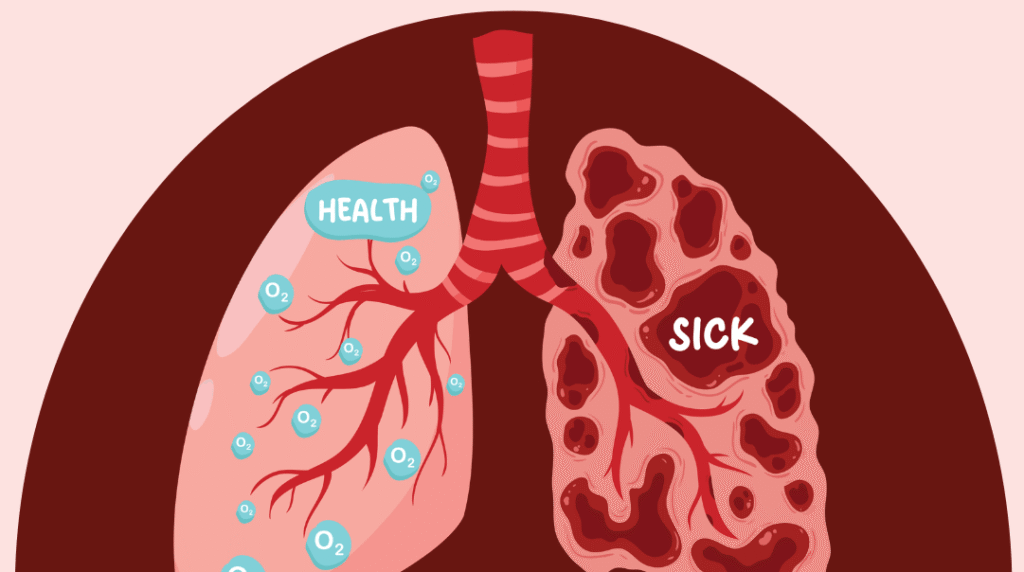
Tuberculosis (TB) is a contagious bacterial infection caused by Mycobacterium tuberculosis. It primarily affect the lungs (Pulmonary tuberculosis) but can also involve other organs such as the lymph nodes, brain, kidney, spine bones, and intestines. When TB affects organs outside the lungs, it is called Extrapulmonary tuberculosis (EPTB).
TB spreads through tiny airborne droplets released when an infected person coughs, sneezes, laughs or speaks.
Causes of Tuberculosis
The primary cause of TB is infection with Mycobacterium tuberculosis bacteria.
TB is more likely to develop in people with weakened immune systems, including:
- HIV/AIDS patients
- Diabetes patients
- Cancer patients
- Smokers
- Alcohol users
- Elderly individuals
- Malnourished people
- Individuals taking immunosuppressive medication
How does TB Spread ?
Tuberculosis spreads through the air.
A person can become infected when they inhale bacteria released by someone with active Pulmonary TB.
TB is not spread by:
- Sharing food
- Shaking hands
- Hugging
- Sharing clothes
- Touching surfaces
- Mosquito bites
Types of Tuberculosis
1. Latent TB Infection (LTBI)
- The TB bacteria remain inactive in the body.
- The infected person has no symptoms.
- The infection is not contagious.
- Without preventive treatment, latent TB may progress to active disease later in life.
2. Active TB
- Bacteria multiply actively
- Symptoms appear
- Highly contagious if pulmonary
3. Pulmonary TB
Affects the lungs and is the most common form.
4. Extrapulmonary TB
Can affect”
- Brain
- Kidneys
- Bones
- Spine
- Lymph nodes
- Pleura
Signs and Symptoms of TB
- Persistent cough more than 2 weeks
- Fever
- L
- Night sweats
- Weight loss
- Loss of appetite
- Chest pain
- Coughing up blood
- Fatigue
- Weakness
Diagnosis of Tuberculosis
Early diagnosis is essential for successful treatment. Modern laboratories use several diagnostic techniques depending on the patient’s condition.
1. Clinical Evaluation
Clinicians providers assess:
- Symptoms
- Medical history
- Exposure history
- Physical examination
2. Chest X-ray
Radiologist helps identify abnormalities suggestive of pulmonary TB but cannot confirm the diagnosis on its own.
3. Sputum Smear Microbiology
Microscopy detects Acid-Fast-Bacilli (AFB) in sputum samples. It remains widely used because it is affordable and accessible, although it is less sensitive than molecular methods.
4. GeneXpert MTB/Rif Ultra
GeneXpert is a molecular WHO-recommended rapid diagnostic tests (mWRDs) that detects Mycobacterium tuberculosis and identifies Rifampicin resistance within a two hours. It has significantly improved the early diagnosis of TB and drug-resistant tuberculosis.
5. Culture
Culture is considered as the diagnostic gold standard for confirming active TB because it can detect low numbers of bacteria and allows drug susceptibility testing. However, it requires specialized laboratories and takes longer than molecular tests.
6. Drug Susceptibility Testing (DST)
DST determines whether the TB bacteria are sensitive or resistant to first-line or second-line anti-tuberculosis drugs, helping clinicians select the most effective treatment.
Treatment of Tuberculosis
Tuberculosis is curable when diagnosed early and treated correctly.
Standard treatment typically involves multiple antibiotics taken for several months. Patients should:
- Take medications exactly as prescribed.
- Never stop treatment early.
- Attend regular follow-up appointments.
- Report medication side effects to healthcare providers.
Note: Incomplete treatment increases the risk of relapse and drug-resistant TB.
Drug-Resistant Tuberculosis
Drug resistant tuberculosis develops when TB bacteria become resistant to one or more anti-TB medicines.
Common form includes:
- Rifampicin-resistant TB (RR-TB)
- Multidrug-resistant (MDR-TB)
- Pre-extensively drug-resistant TB (Pre-XDR)
- Extensively drug-resistant TB (XDR-TB)